
Rights-Based Reform: ASEAN Five Years on from 5-Point Consensus
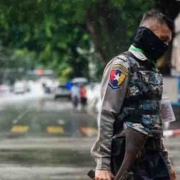
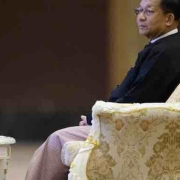
Since the failed coup in February 2021, junta leader Min Aung Hlaing’s military has pushed Burma into a full-scale civil war. The extent of abuse is well documented. Thousands have been killed, and over 3.7 million people have been displaced.[1] Airstrikes, artillery, night raids, and arbitrary arrests have become daily realities for civilians who only seek safety and peace in their communities. The current instability of the situation has exposed vulnerabilities and a lack of resources, resulting in nearly one in three citizens estimated to require humanitarian assistance in 2026.[2]
The violence since the attempted coup in February 2021 has been increasing. Just a few months after the junta stole democracy from the people, in April 2021, the Association of Southeast Asian Nations (ASEAN) introduced a peace plan called the Five Point Consensus (5PC) in response to the worsening human rights situation in Burma. The plan is based on five key pillars: a halt to the violence, inclusive dialogue, mediation through a special envoy, and unrestricted access for humanitarian aid. The military has long rejected the 5PC and has shown no interest in fulfilling any of its requirements or in changing its conduct in war.
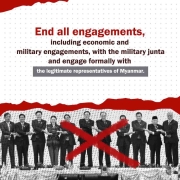
Five years later, civil society organizations continue to call for a response from ASEAN that acknowledges the people’s aspirations, including by ensuring that the military junta is denied any position of power, authority, or legitimacy. The junta’s relentless violence and deliberate attacks on democratic forces undermine protections for vulnerable groups. It is also indicative of their refusal to adhere to calls to end the ongoing air and ground strikes. One significant obstacle in achieving the necessary results to tackle Burma’s multiple crises is the apparent lack of political will and commitment within ASEAN to work with pro-democracy allies and networks. Although the junta is losing its pursuit of legitimacy, international engagement with it has grown. Since 2021, ASEAN’s current and former leaders have prioritized initiating political dialogue with the junta to end the conflict, rather than engaging with representatives genuinely dedicated to a federal and democratic future for Burma. With the Philippines currently serving as the Chair of the Bloc, there are opportunities to meaningfully engage with the pro-democracy movement and lessons to be learned from the unsuccessful efforts of previous ASEAN Chairs.